15 Split Dye Hair Color Ideas With Bold Contrast
Split dye divides the hair into two deliberately different color sections, often along a center part. These split dye hair color ideas compare 15 pairings, from natural brown and blonde to vivid complementary colors. The defining feature is the division, so notice whether you like a crisp half-and-half result or a softer contrast between related shades. Your usual part and styling will affect how the split appears.
Preview a new hair color on your photo ↗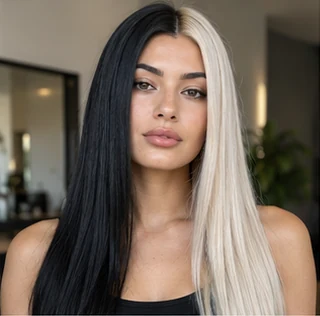
15 split dye hair color ideas in pictures
1. Black and platinum split
A crisp center division separates near-black from pale platinum on long straight hair. This is the strongest light-dark pairing in the group, with the sharp boundary as important as either individual shade.
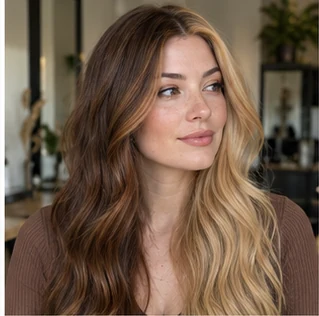
2. Brown and honey blonde split
One half stays warm brown while the other becomes honey blonde. The palette is more natural than vivid split dye, but the half-and-half placement still makes the result a statement.
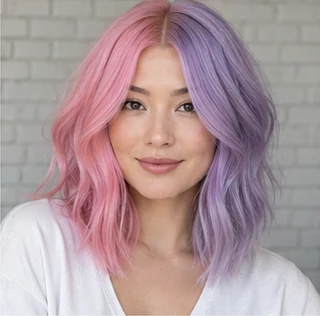
3. Pink and lavender split
Soft pink sits beside pale lavender on a center-parted lob. The related pastel depths make the division gentler than a dark-and-light combination.
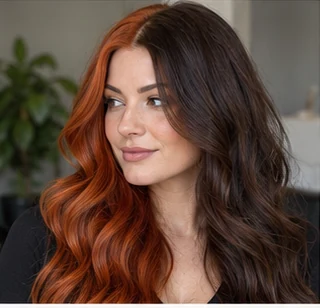
4. Copper and chocolate split
Warm copper contrasts with a deep chocolate-brown half. Save this if you like a strong division while keeping both sides within a warm, naturally inspired color palette.
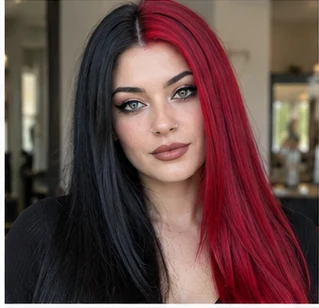
5. Black and cherry red split
A saturated cherry-red half sits beside near-black hair. The difference is mostly vividness and reflection rather than the extreme lightness of a platinum pairing.
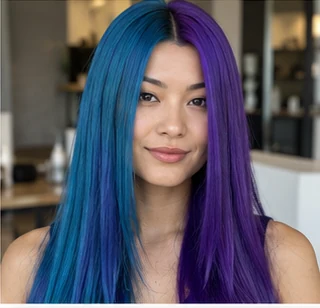
6. Blue and purple split
Saturated blue and violet divide long straight lengths. Both halves are vivid, so the result depends on the difference in hue rather than one side acting as a neutral base.
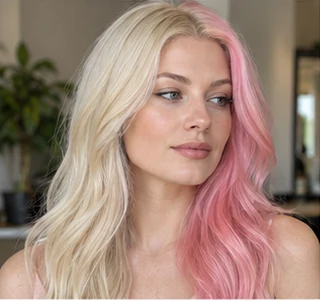
7. Blonde and pastel pink split
Pale blonde meets soft pink in a clean center division. This is a lighter palette where the split feels softer than black-and-pink, even with the same precise placement.
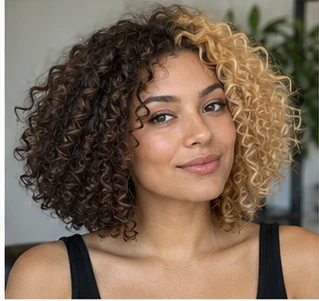
8. Split dye curly bob
One side of a natural curly bob is dark brown and the other golden blonde. The curls soften the visual boundary without removing the deliberate half-and-half idea.
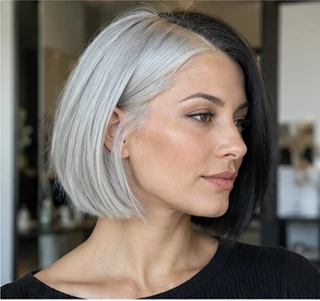
9. Silver and black split bob
A short bob puts pale silver beside a dark half. The compact shape makes the dividing line easy to see, including how it runs through the front and fringe.
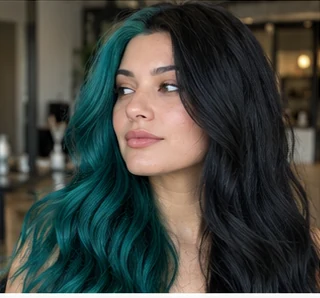
10. Teal and black split
A vivid teal half contrasts with near-black lengths. Save this for a cool fashion-color statement that keeps one side dark rather than pairing two equally bright colors.
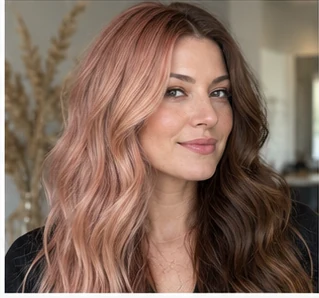
11. Rose gold and brown split
Soft rose-gold sits beside a warm brunette half. The related warmth connects the palette while the difference in lightness keeps the split clearly visible.
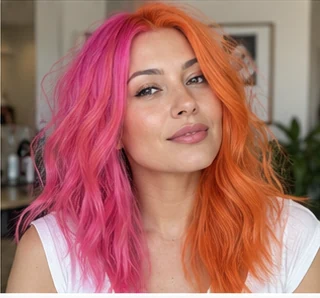
12. Pink and orange split
Vivid pink and orange create a warm, high-energy pairing. This is a color-led statement, so compare the saturation of both sides rather than choosing the shades independently.
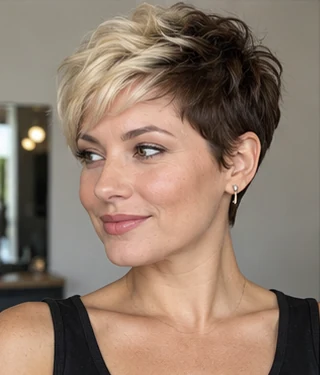
13. Split dye pixie
A short pixie divides into pale blonde and deep brown halves. The small shape makes the position of the boundary especially important across the fringe and crown.
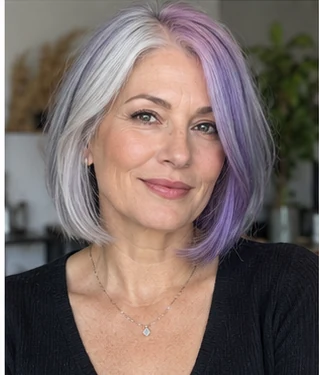
14. Silver and lavender split
A mature woman wears a bob divided into pale silver and muted lavender. The close depths create a softer split than a dark-and-light pairing while keeping the two colors distinct.
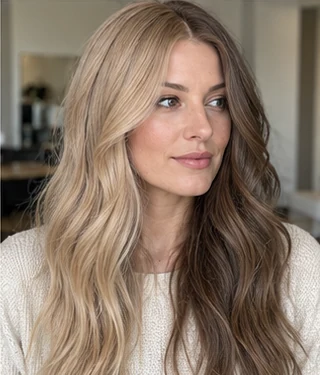
15. Beige and ash brown split
Neutral beige blonde sits beside a cool medium brown half. This offers an understated palette within a conspicuous placement, useful if bright fashion shades are not your preference.
How to choose your favorite look
Choose the color relationship before the exact shades. One dark half and one pale half creates a different effect from two equally vivid halves. Decide whether you want symmetry through the fringe as well as the longer hair.
What to discuss with your colorist
Show where the division should sit and how it should continue through the back. Discuss your usual part and any fringe. If the halves need different lightening or coloring processes, ask how that affects the plan and future maintenance.
Think about upkeep before you decide
Two colors can fade differently, especially if one half is pale and the other vivid. Ask how to maintain the separation and refresh each side. The tool is useful for exploring a palette, but a precise split-dye layout may not be reproduced exactly.
A few more ideas for your board
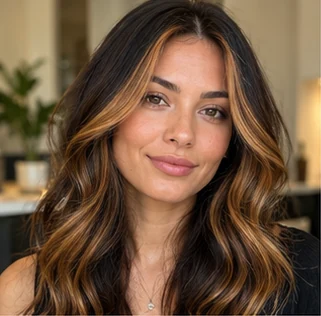
15 Money Piece Hair Color Ideas for a Fresh Face Frame
A money piece concentrates lighter or contrasting color in the sections beside the face.
Find your favorite ↗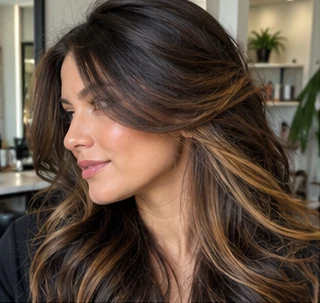
15 Peekaboo Hair Color Ideas With Hidden Contrast
Peekaboo color sits underneath or within the hair so the brighter sections appear with movement, styling, or a tucked-back side.
Find your favorite ↗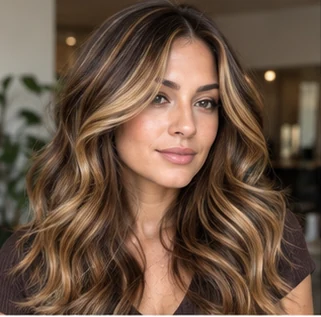
15 Chunky Highlights Hair Ideas With Bold Ribbons
Chunky highlights use deliberately visible sections rather than very fine strands.
Find your favorite ↗