15 Honey Blonde Hair Color Ideas With Warm Dimension
Honey blonde combines golden brightness with enough depth to avoid an icy finish. These honey blonde hair color ideas include darker rooted blends, bright highlights, and softly golden all-over looks. The most useful comparison is how much brown remains between the blonde sections. If you want warmth without losing your brunette identity, start with the rooted examples; if you want to read blonde overall, look at the more evenly bright finishes.
Preview a new hair color on your photo ↗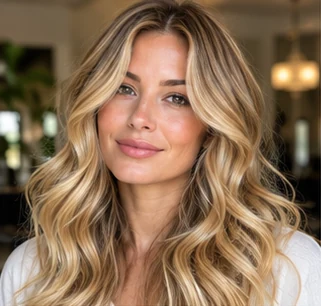
15 honey blonde hair color ideas in pictures
1. Classic honey blonde waves
Warm golden lengths sit over a slightly deeper base. This is the central honey-blonde reference: visibly blonde, but with brown-gold depth instead of the pale silver finish of an icy blonde.
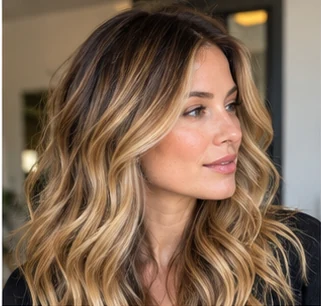
2. Rooted honey blonde
A darker root blends gradually into golden mid-lengths. The shadow around the part is deliberate, so point it out if you want to preserve depth rather than asking for blonde all the way to the scalp.
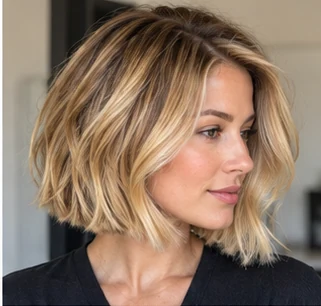
3. Honey blonde bob
A softly bent bob makes the golden shade prominent around the face. Compare the bright outer sections with the darker underside before deciding how much contrast you want on a short cut.
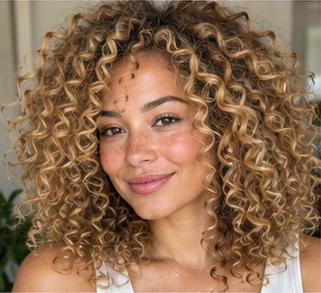
4. Honey blonde curls
Golden highlights follow the curve of natural curls. Leaving some deeper sections between them creates definition; an all-over blonde result would change the balance even if the shade itself were similar.
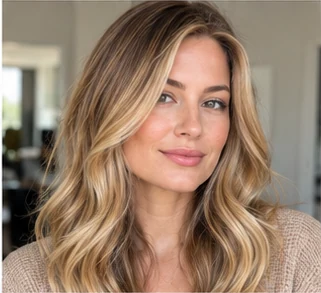
5. Honey beige blonde
A softer beige note tempers the gold through long layers. Save this if bright yellow-gold examples feel stronger than your preference, but an ash blonde seems too cool.
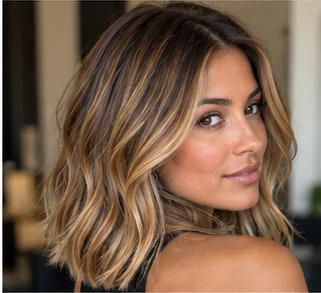
6. Dark honey blonde lob
This shoulder-length look stays closer to light brown at the root. It offers a deeper introduction to honey tones, with the brightest pieces concentrated around the bends and ends.
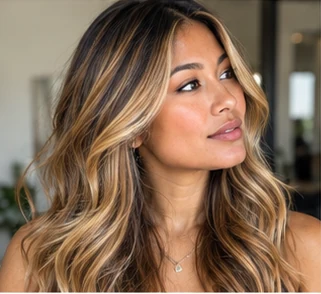
7. Honey face framing
Golden sections beside the face connect with quieter brightness through the lengths. The front placement is the key detail, especially if you want a noticeable change without making every section equally blonde.
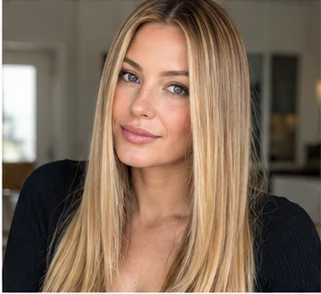
8. Honey blonde straight hair
Straight lengths show the warm ribbons without styling hiding their spacing. Use this reference if you want to judge how the color might look during your usual everyday routine.
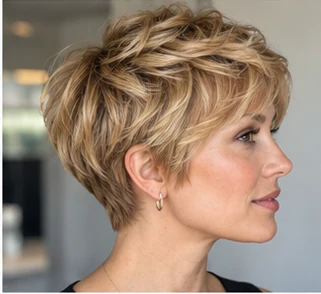
9. Honey blonde pixie
Short golden top layers contrast with slightly deeper sides. On a pixie, the position of the brightest pieces matters as much as the exact blonde, particularly across a side-swept fringe.
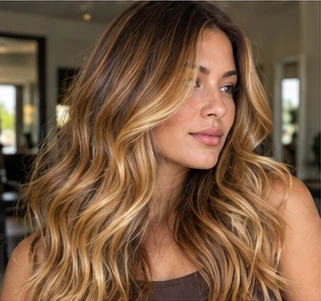
10. Honey caramel melt
Brown, caramel, and honey blend through long hair without a sharp line. This is a useful choice when you want a gradual warm transition rather than a single light shade throughout.
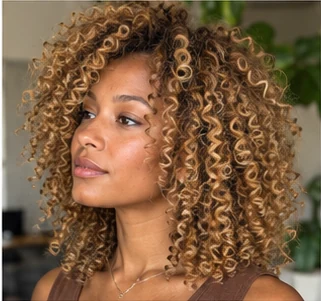
11. Honey blonde coils
Golden accents bring light to selected coils while the interior stays deeper. Bring a reference with a similar texture to discuss where brightness should appear once the hair is dry and shaped.
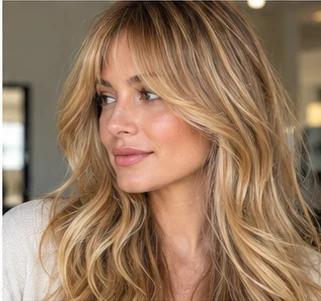
12. Honey blonde curtain fringe
The fringe and front layers carry warm blonde into the face frame. Save it for the color continuity, while considering whether you want to keep or change your own haircut separately.
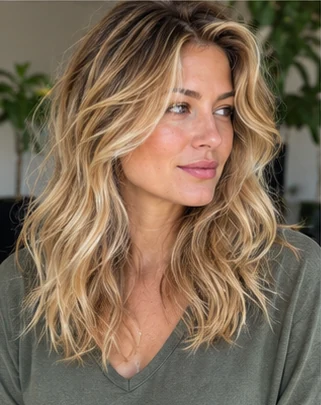
13. Sandy honey blonde
Muted sandy lengths reduce the intensity of the golden tone. This lands between a bright honey blonde and a neutral beige, making it helpful when your saved images vary widely in warmth.
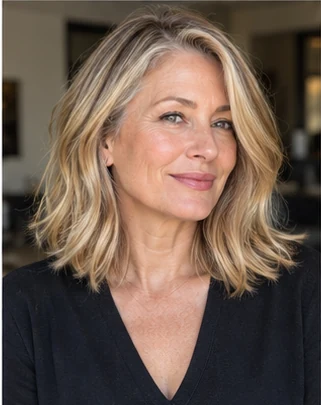
14. Mature honey blonde lob
A softly waved lob pairs golden blonde with a deeper root. The example shows one possible balance on a mature woman; the preferred root depth and maintenance remain personal choices.
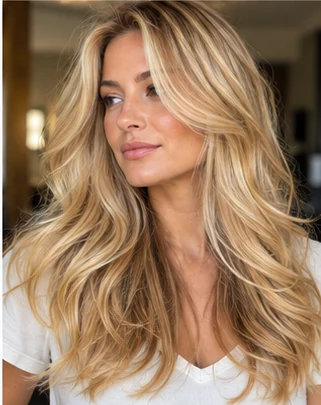
15. Bright honey blonde layers
The final look has more blonde across the surface and ends. Compared with the rooted brunette blends, it reads lighter overall, so discuss the amount of lightening as well as the honey tone.
How to choose your favorite look
Separate warmth from brightness. A deep honey shade can be golden without being very pale, while a light honey blonde can still feel soft beside a darker root. Pick the balance you enjoy rather than assuming every warm blonde will look the same.
What to discuss with your colorist
Use your reference to show the golden tone and the amount of root depth you want. Ask what your starting color permits and how the hair would look worn straight as well as waved. Do not treat a generated image as evidence that every base can reach the shade in one visit.
Think about upkeep before you decide
Root blending and blonde tone are separate maintenance decisions. Your colorist can help plan both, especially when only some sections are lightened. Keep an unfiltered daylight photo of the fresh color so later changes are easier to describe.
A few more ideas for your board
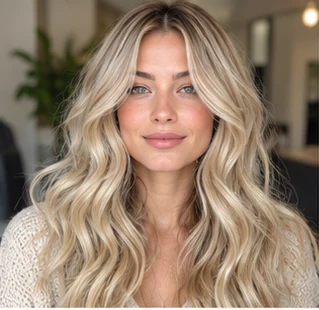
15 Beige Blonde Hair Color Ideas for a Soft Finish
Beige blonde is useful when golden blonde feels too warm and silver blonde feels too cool.
Find your favorite ↗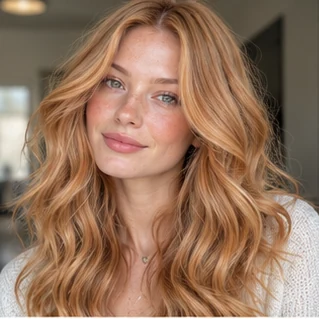
15 Strawberry Blonde Hair Color Ideas: Peach to Copper
Strawberry blonde mixes blonde brightness with a soft red or copper reflection.
Find your favorite ↗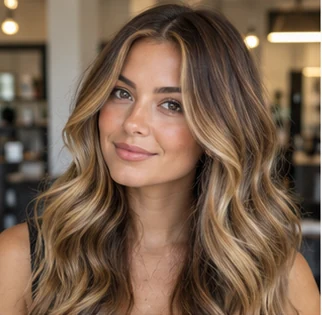
15 Bronde Balayage Ideas Between Brown and Blonde
Bronde sits between brown and blonde, and balayage adds variation in where the lighter pieces appear.
Find your favorite ↗