15 Silver Gray Hair Color Ideas With Soft Dimension
Silver gray hair color ideas include intentionally colored metallic shades as well as looks inspired by natural silver. The two are not interchangeable salon processes, even when the photographs feel similar. These 15 examples focus on the visual options: pale silver, deeper charcoal, soft lowlights, and different textures. If you are growing out natural gray, use the images to discuss a blending direction that starts with your own regrowth pattern.
Preview a new hair color on your photo ↗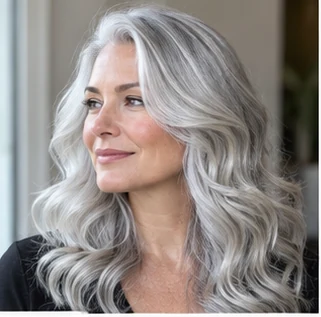
15 silver gray hair color ideas in pictures
1. Classic silver waves
Pale silver runs through softly waved lengths with gentle depth beneath. This is a visual reference for a cool metallic direction rather than proof of a naturally grown silver pattern.
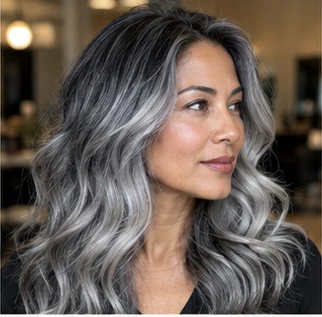
2. Charcoal rooted silver
Deep gray roots meet lighter silver through the lengths. The strong contrast adds depth around the part and gives a different result from a uniformly pale silver shade.
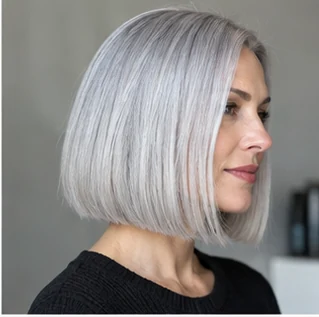
3. Silver blunt bob
A clean short bob emphasizes an even silver finish. Save this if your priority is the pale outline around the face rather than a strongly mixed salt-and-pepper pattern.
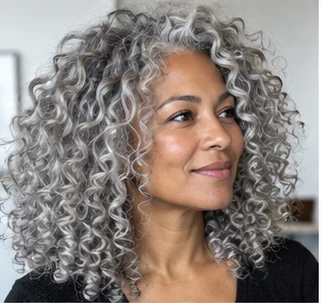
4. Silver natural curls
Light gray follows the curl groupings with deeper shadows between them. The texture creates dimension, so a curl-specific reference can be more useful than a smooth silver hairstyle.
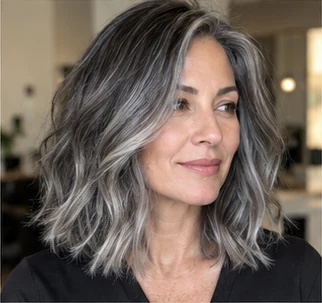
5. Salt and pepper lob
Dark and silver strands share a shoulder-length shape. If you like this for gray blending, show your own regrowth pattern so the contrast can be adapted rather than copied section for section.
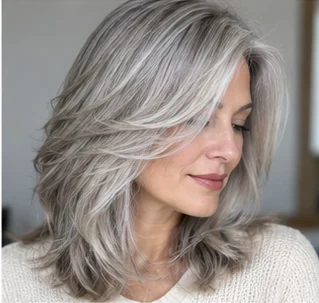
6. Pearl gray layers
A softly luminous pearl-gray finish feels gentler than darker steel. Save it when you want lightness with subtle tonal variation rather than a flat charcoal effect.
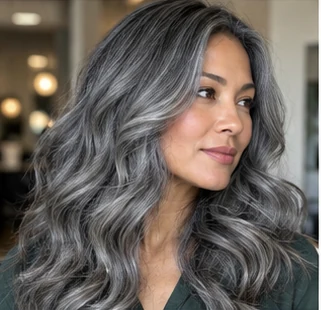
7. Steel gray waves
A medium-depth cool gray creates a more substantial shade than pale silver. Compare this with the lighter examples to decide how much brightness you actually want near your face.
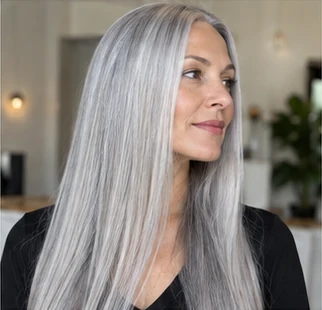
8. Silver straight lengths
Smooth lengths show the gray tone across an uninterrupted surface. This is useful if you want to assess the shade without waves producing extra highlights and shadows.
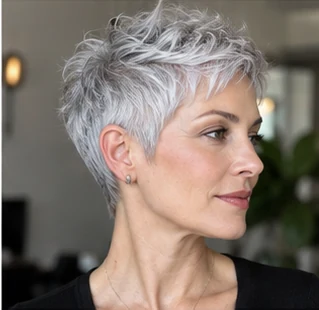
9. Silver pixie
Pale silver on the top contrasts with slightly deeper short sides. The placement emphasizes the layers and gives a compact alternative to long metallic lengths.
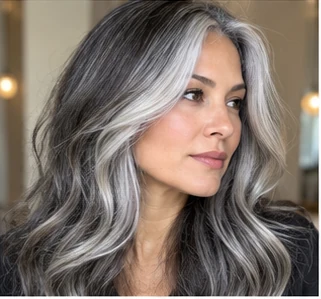
10. Silver face frame
The lightest silver sits around the face while the remaining hair keeps more gray depth. This offers a placement reference for visible brightness without an equally pale result throughout.
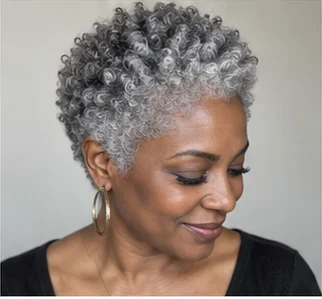
11. Silver coily crop
Silver-gray variation follows a short coily shape. Save it for the balance of lighter surface strands and deeper interior sections, not as a prediction that coloring changes the curl pattern.
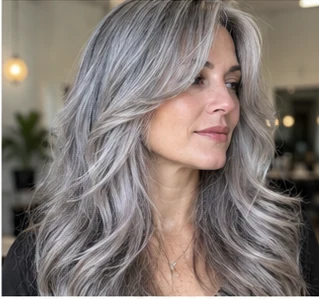
12. Silver curtain layers
A soft fringe blends with long gray layers. The face-framing shape and silver shade are separate choices, so use the reference to identify which part you want to keep.
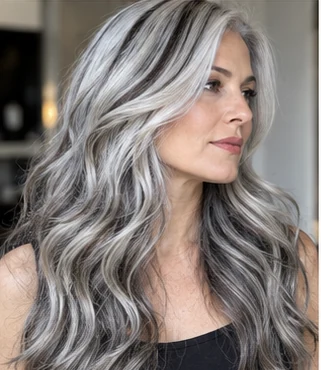
13. Silver with dark lowlights
Fine darker strands break up a pale silver base. This adds depth and is worth showing if an evenly light silver feels too uniform in your saved images.
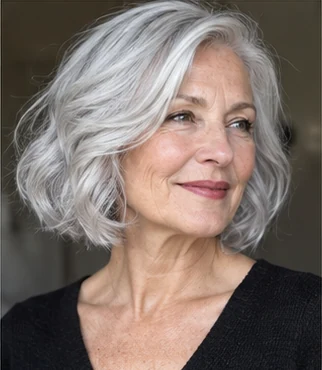
14. Mature soft silver bob
A mature woman wears a softly waved light-gray bob. The image offers inspiration for shape and contrast, while a realistic transition plan must begin with your own natural color and previous dye.
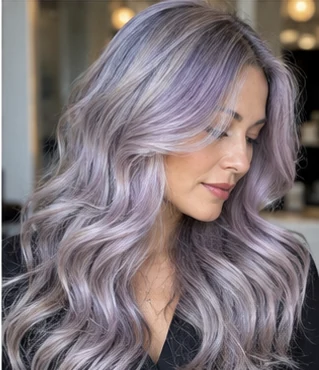
15. Silver lavender reflection
A muted lavender sheen shifts the silver toward purple-gray. Choose it if you enjoy an intentionally cool fashion-color reflection, rather than using it as a general natural-gray reference.
How to choose your favorite look
Compare lightness and contrast before choosing a silver tone. A pale silver bob can feel very different from a charcoal-rooted gray. Decide whether you want an even colored finish or the varied pattern associated with natural salt-and-pepper hair.
What to discuss with your colorist
Tell your colorist whether the goal is an intentionally dyed silver or blending your natural gray. Bring a current root photo as well as your inspiration image. Artificial silver on dark hair can involve lightening, while gray blending depends on your actual distribution of lighter strands.
Think about upkeep before you decide
Ask for a plan that distinguishes the natural silver from any colored or lightened sections. Their needs can differ. Avoid assuming a pale silver reference is automatically low maintenance simply because it resembles gray hair.
Professional background: Wella’s ash-gray color guide.
A few more ideas for your board
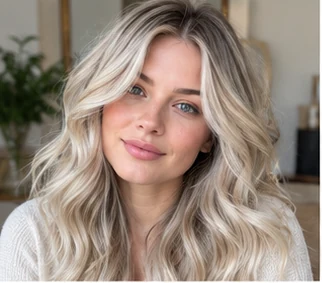
15 Ash Blonde Hair Color Ideas From Soft to Icy
Ash blonde hair color ideas vary from a gently cool beige to a much brighter silvery blonde.
Find your favorite ↗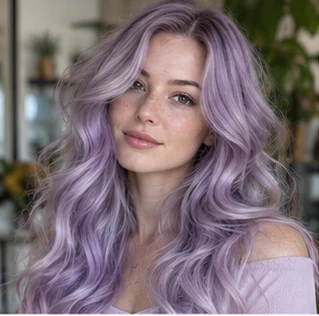
15 Lavender Hair Color Ideas: Pastel to Smoky
Lavender sits on the softer side of purple, but it can still range from pale lilac to a deeper smoky violet.
Find your favorite ↗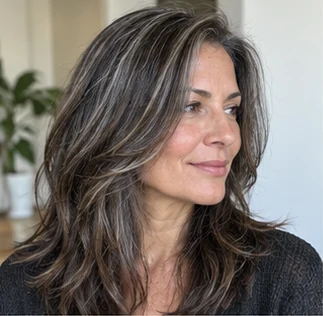
15 Gray Blending Hair Color Ideas for a Softer Transition
Gray blending aims to work with the contrast between natural silver and the rest of the hair, rather than simply choosing an all-over gray dye.
Find your favorite ↗