15 Ombre Hair Color Ideas From Subtle to Statement
Ombre focuses on a transition from one color area to another, usually from a deeper top into lighter or more vivid ends. These ombre hair color ideas compare natural brunette-to-blonde blends with red, pastel, and silver gradients. Look at where the transition begins and how long it takes to reach the lightest shade. Those details make a bigger difference than choosing the end color alone.
Preview a new hair color on your photo ↗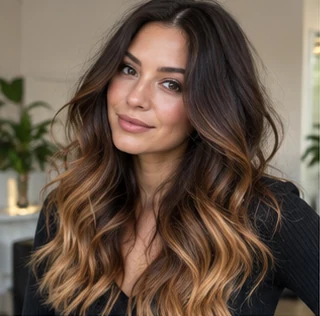
15 ombre hair color ideas in pictures
1. Brown to caramel ombre
A deep brown top gradually becomes warm caramel at the ends. This is a softer natural-color transition when very pale blonde feels stronger than the change you want.
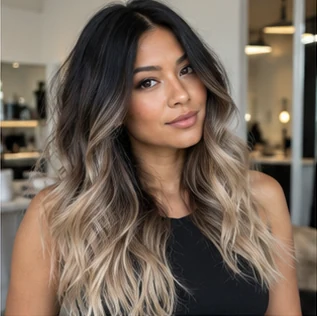
2. Black to beige blonde ombre
Near-black roots move through brown into neutral beige ends. The middle transition helps connect the very different depths rather than leaving a single abrupt dividing line.
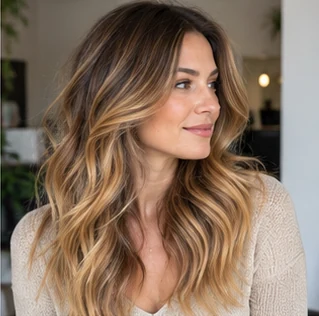
3. Brunette to honey blonde
Warm honey brightness gathers through the lower lengths. Save the position of the blonde if you want most of the upper hair to remain brunette.
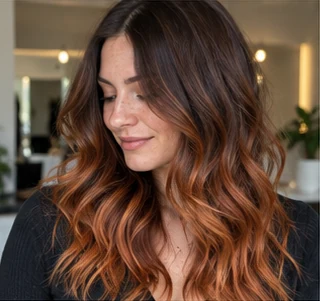
4. Copper ombre on brown hair
A brown top turns increasingly copper through the ends. The transition introduces warm red without making the entire head the same vivid shade.
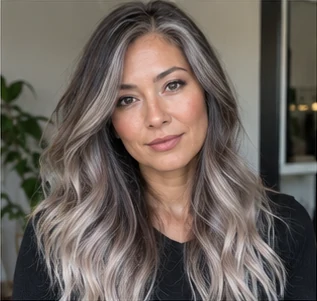
5. Ash brown to silver ombre
Cool brown moves into pale silver-gray at the tips. This is an intentionally cool gradient; compare it with a beige ombre if you want less gray in the final result.
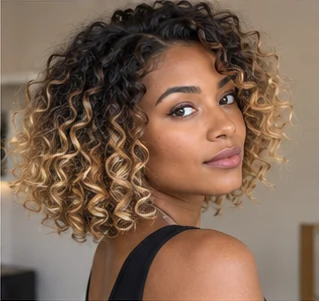
6. Ombre curly bob
Dark natural curls become warm blonde toward the lower edge of a bob. The short length compresses the transition, so discuss where the brightness should appear once the curls are dry.
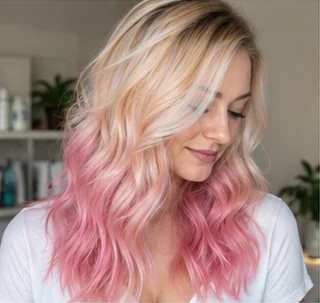
7. Pink ombre on blonde
Pale blonde gradually picks up blush pink toward the ends. The color shift is softer than a dark-to-light ombre because the underlying depth remains relatively light.
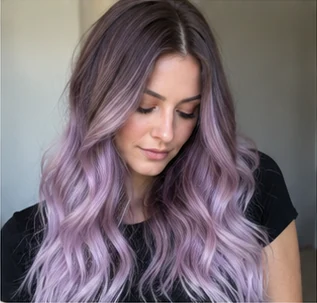
8. Lavender ombre lengths
A deeper cool top transitions into pastel lavender ends. Save this if you want purple concentrated in the lower hair rather than carried equally through the roots.
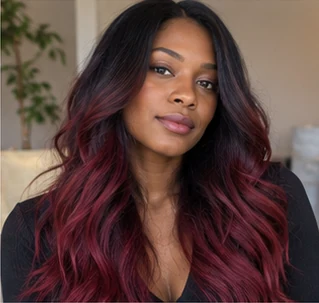
9. Burgundy ombre on black hair
Dark roots meet wine-red mid-lengths and ends. The deep palette keeps the overall result rich while making the lower color more visible in brighter light.
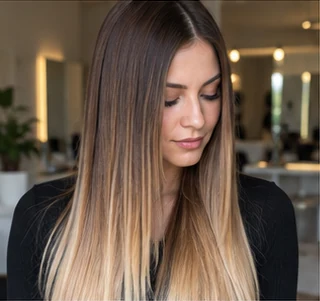
10. Ombre straight hair
Smooth brown lengths gradually become pale blonde at the ends. Straight styling makes the blending zone easy to inspect, useful if waves are not part of your normal routine.
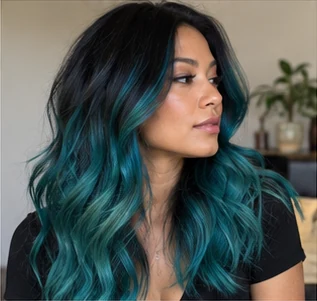
11. Teal ombre on dark hair
A dark top moves into saturated teal through the lower lengths. The hue change is the statement, with the roots remaining a separate deep foundation.
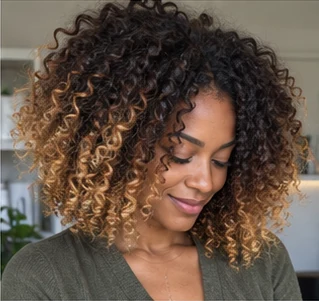
12. Ombre on natural coils
Deep brown coils show caramel-blonde brightness mainly at the ends. The placement emphasizes the outer shape, so discuss how the gradient should follow your own texture.
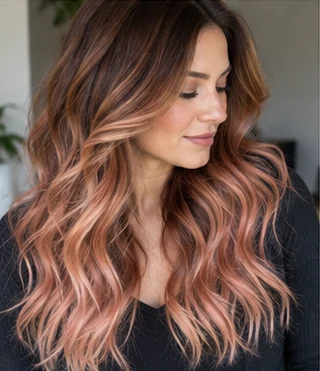
13. Rose gold ombre
A warm brunette top transitions through copper into rosy-gold ends. The related warm tones connect the gradient instead of making the final pink feel completely separate.
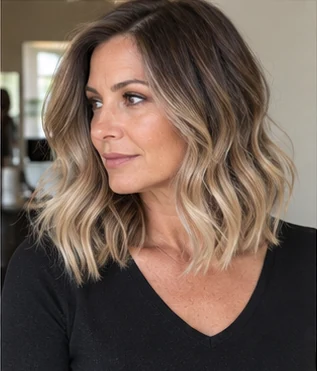
14. Mature beige ombre lob
A softly waved lob moves from deeper neutral roots to beige-blonde ends. This gives an end-focused contrast on a shorter shape rather than a full head of highlights.
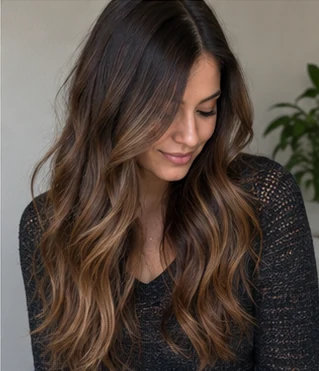
15. Subtle brown ombre
The top and ends stay within nearby brown shades, with only a gentle shift in lightness. Save this when you like the gradient idea but want minimal contrast.
How to choose your favorite look
Decide whether you want a gradual gradient or a more obvious two-color effect. On shorter hair there is less length for the transition, so a reference close to your cut can be especially useful. Keep your preferred root depth in mind.
What to discuss with your colorist
Show the point where you want the color change to begin, then identify the final shade at the ends. Your current color history affects what is realistic. If you plan a substantial trim, discuss it before placing most of the brightness near the tips.
Think about upkeep before you decide
Even with a dark top, the colored or lightened ends may need refreshes and conditioning suited to their condition. Ask how trims and fading will change the gradient over time rather than treating ombre as maintenance-free.
A few more ideas for your board
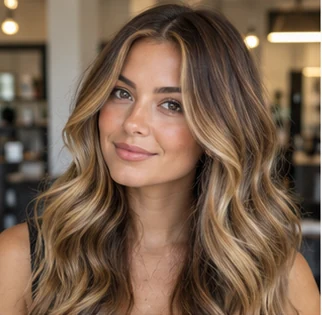
15 Bronde Balayage Ideas Between Brown and Blonde
Bronde sits between brown and blonde, and balayage adds variation in where the lighter pieces appear.
Find your favorite ↗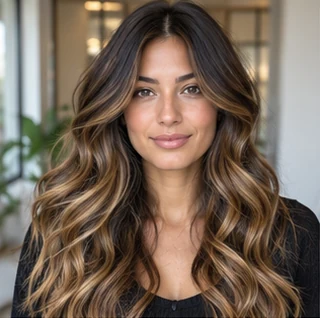
15 Blonde Balayage on Dark Hair Ideas to Compare
Blonde balayage on dark hair is a contrast-led look, but the contrast can be soft or dramatic.
Find your favorite ↗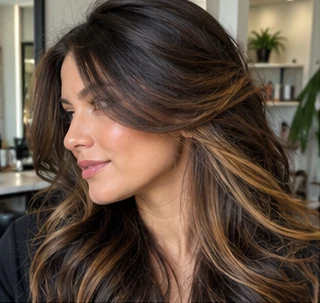
15 Peekaboo Hair Color Ideas With Hidden Contrast
Peekaboo color sits underneath or within the hair so the brighter sections appear with movement, styling, or a tucked-back side.
Find your favorite ↗